Turboprop
Propeller-driven, efficient on short regional hops and shorter runways. The value end of private travel.
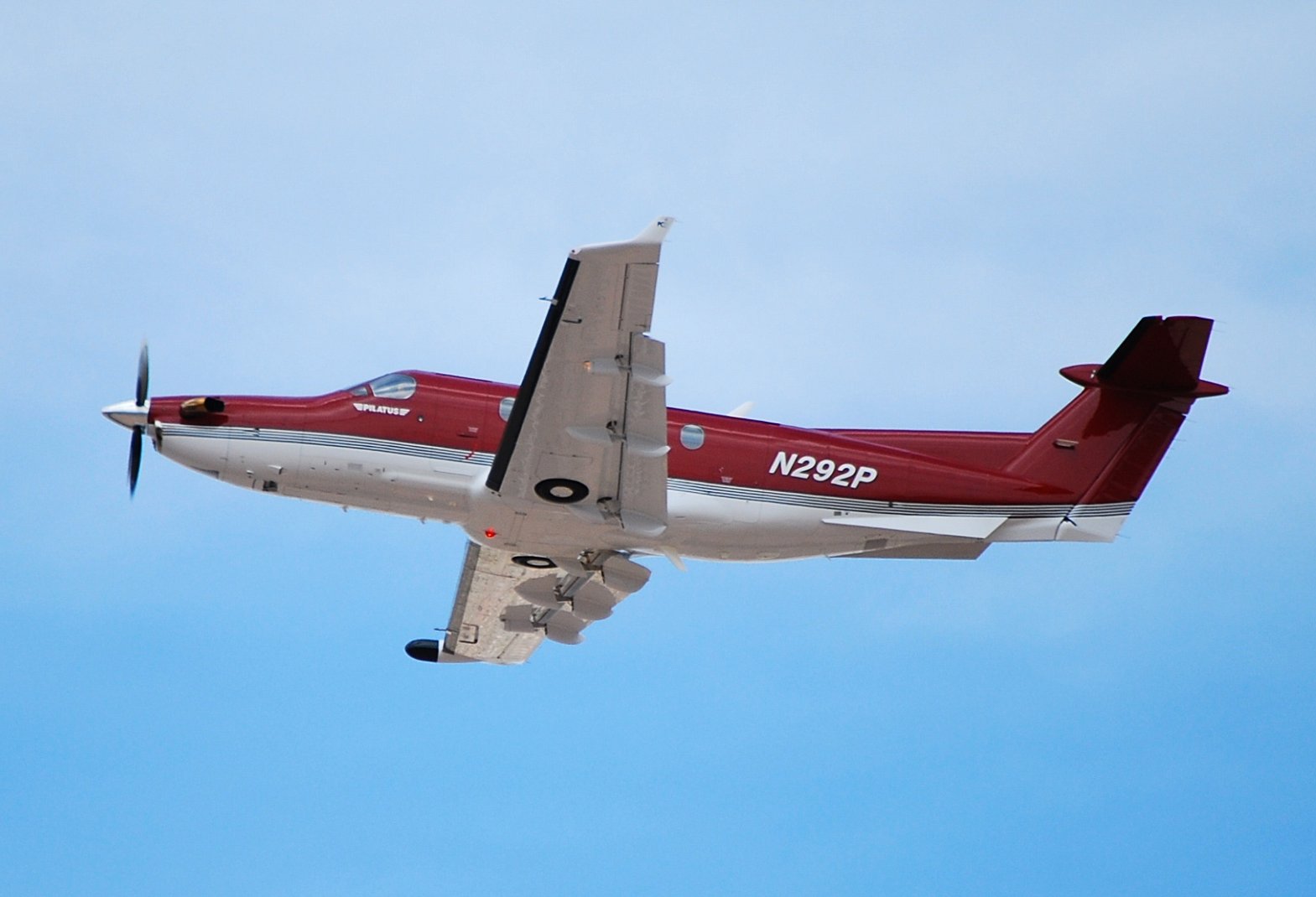
Class-typical figures for planning, not a specific model's spec sheet — range and speed vary by model, load, and conditions.
A turboprop is powered by a turbine engine driving a propeller rather than a jet. That makes it slower than a jet, but efficient and rugged — it burns less fuel, climbs and lands on shorter runways, and can use smaller regional fields a jet can't. For short Southern California hops it is often the most sensible aircraft, not a compromise.
What it's like
Cabins are comparable to a light jet for passenger count, typically seating a small group comfortably. You give up cruise speed and altitude — a turboprop flies lower and slower, so it feels the weather a bit more — but on a 45-minute regional leg that difference barely registers. Where it shines is access and cost: it can reach quieter fields close to your actual destination, and it's the least expensive way to fly private.
For the SoCal traveler, a turboprop is a strong fit for shorter runs and destinations with smaller airports, where its efficiency and field access outweigh a jet's speed.
- Short regional trips
- Smaller or unpaved fields
- Cost-conscious flyers
- 3–8 passengers
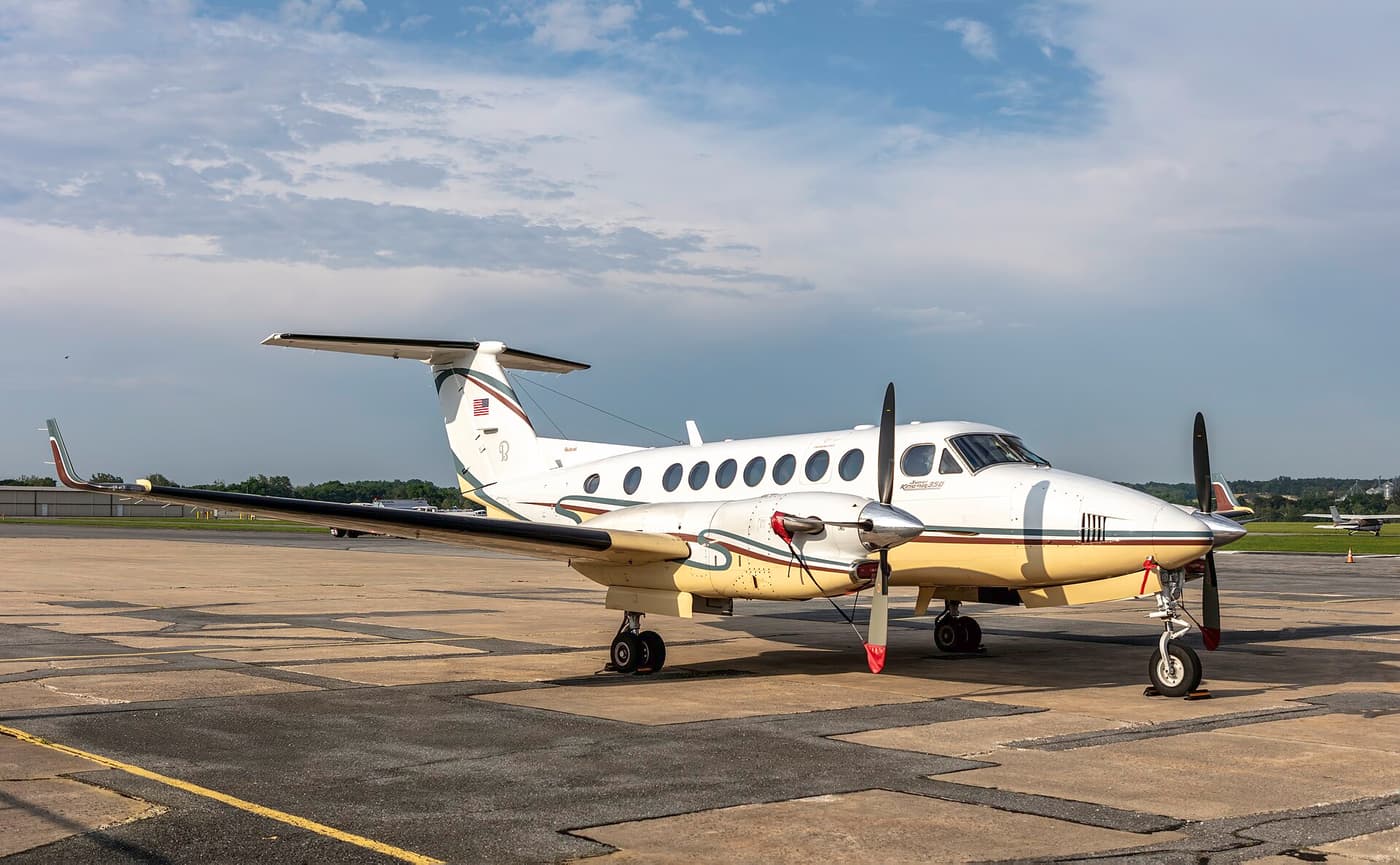
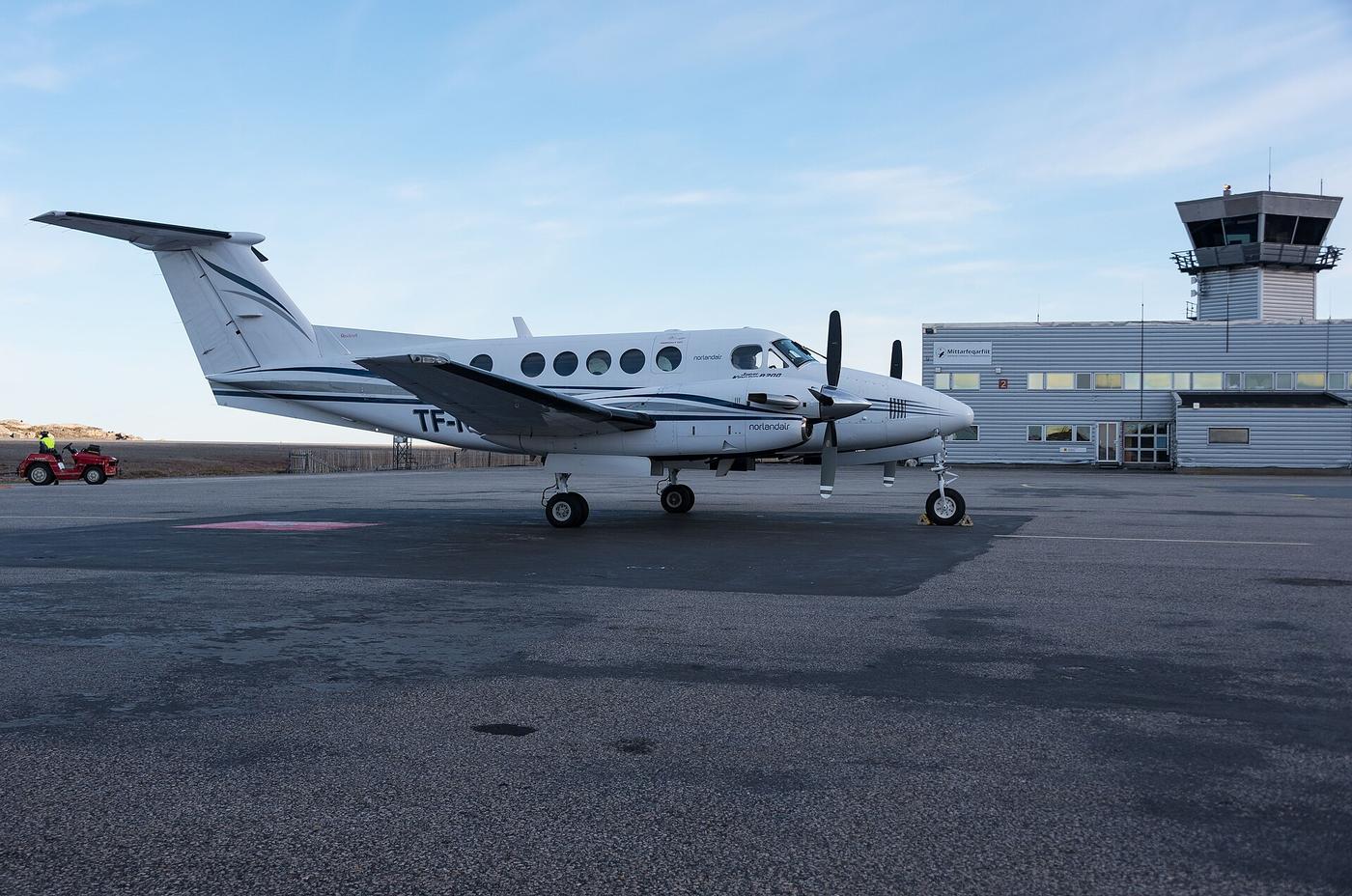
The models charter shoppers see most in this class — examples, not an exhaustive roster; specific aircraft vary by operator.
Estimate a trip on a turboprop →
Watch deals on this class.
Be first in line for turboprop empty legs when alerts open at launch — free, no card.
Free · no card · unsubscribe anytime